
A Summary of the 2026 Munich Security Conference
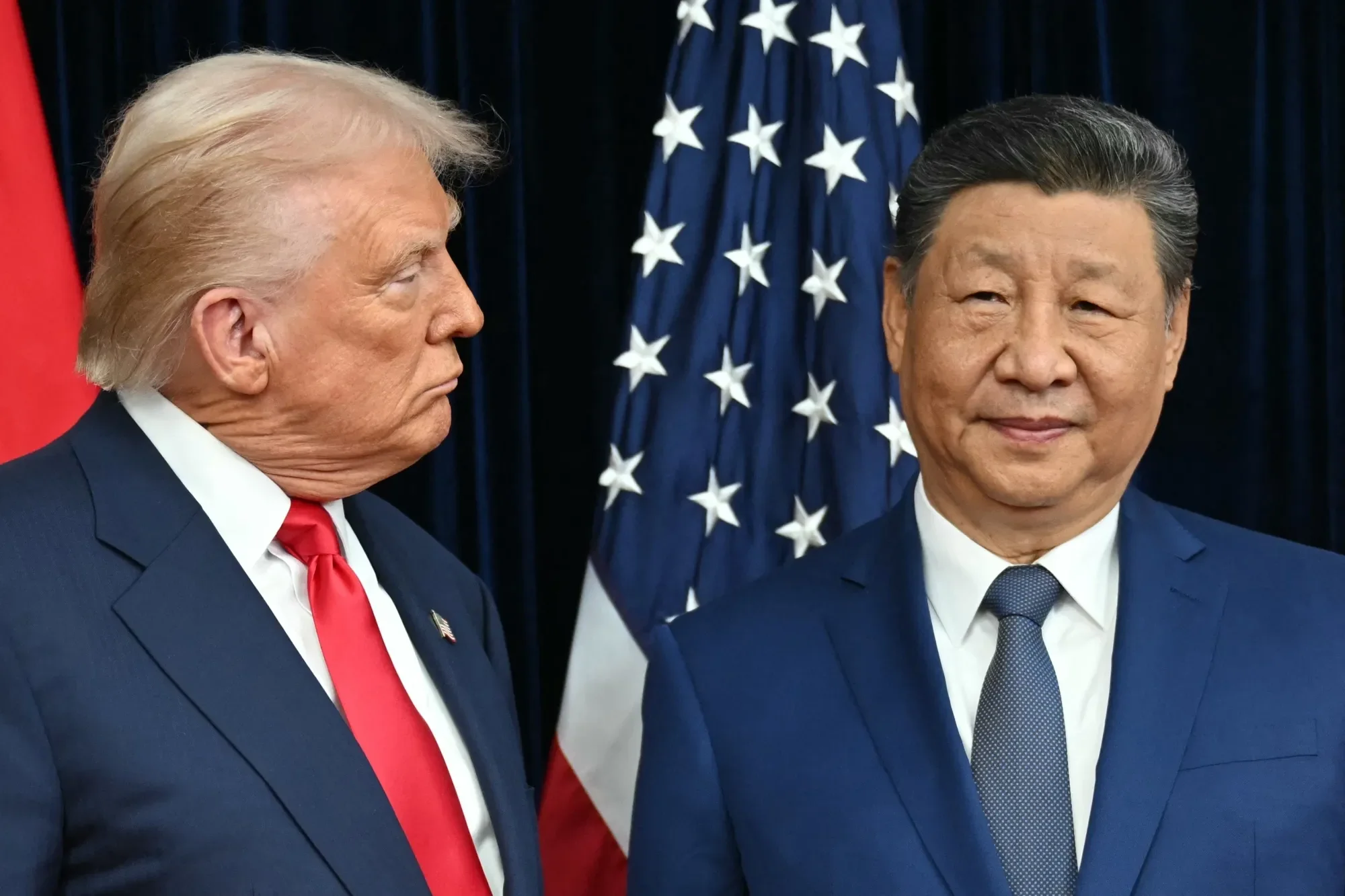
The Munich Security Conference, founded in 1963, serves as an annual, international platform dedicated to discussing global and national security. Held from February 13 to 15, 2026, the 62nd MSC was attended by over 40 heads of state and representatives of global powers, including the U.S., India, China, and most European countries. This year, conversations surrounding the United States’ “America first” agenda—such as implementing new tariffs as well as reducing humanitarian aid and development funding, consequently causing shifts in foreign economic policies, especially regarding China’s expansion—took the center stage.
The current administration of the United States of America has increasingly moved away from the initial post-1945 international order. Since January 2025, following a heated exchange between the POTUS Donald Trump and Ukraine’s President Volodymyr Zelensky, U.S. military aid to Ukraine has dropped sharply from initially being the main contributor. The U.S.’s demeanor to NATO, including its threats towards Greenland and its wavering support for Ukraine, is now viewed as “volatile” and conditional. The U.S. Secretary of State Marco Rubio asserted that it is the United Nations that has not done enough in times of crisis such as the war in Gaza and Ukraine and stated that it was usually the United States stepping in. Beyond military aid, humanitarian aid is also decreasing—the U.S. Agency for International Development (USAID), which was once the largest funding agency for humanitarian assistance, has been withdrawn permanently from 66 international organizations, including the World Health Organization. USAID programs have saved around 90 million lives, and the current budget cuts could lead to 14 million avoidable deaths by 2023, largely affecting low- and middle-class income countries. Across the G7 and BRICS countries, excluding Japan and China, the United States is now increasingly being perceived as a serious risk.
Consequently, China is filling the void in the market that the United States has left. Chinese Foreign Minister Wang Yi urges the global powers to “practice true multilateralism” and to not monopolize global governance in order to build a true democracy. The Chinese government has offered zero tariffs to 53 African countries and expanded on economic agreements with the Association of Southeast Asian Nations, Brazil, and Kenya. It is also now the second-highest contributor to the UN budget overall. Beijing has voluntarily given up benefits it has received for being a developing country to smooth over tensions with the World Trade Organization. As China is losing the U.S. as a reliable trade partner, it has opted to diversify its market, the U.S. possibly contributing to the expansion by putting economic pressure on countries through, e.g., tariffs. However, China’s heavy subsidies and discrimination against foreign companies show that the government is not as open to trade as it says. Similar to the U.S., the Chinese Communist Party prioritizes domestic needs and therefore cannot fully replace the U.S. in funding and humanitarian sectors.
The United States’ retreat from its role as the biggest economic and political power through military commitments, humanitarian funding, and foreign policies has unsettled several long-standing alliances. China is stepping forward and influencing the modern world economically and politically more than ever, noticeable even in our day-to-day lives. Whether the United States chooses to continue going down a path of self-sufficiency, and whether the Chinese Communist Party will continue to aim for expansion and building new relationships with foreign allies, is becoming clearer by the day.
- Vala Kamaran