
Environmental Doomerism and Natural Perseverance
"Environmental Doomerism," a contemporary phrase that came to define the attitude of complete hopelessness in environmental recovery, is an idea that has long existed before its 21st-century definition. Before humans came to scientifically define natural phenomena, the causes of fear-inducing weather, droughts, and other life-altering seismic and environmental events were usually attributed to punishment from deities or other paranormal causes; this can help us determine that, by extension, the hopelessness that earlier humans had experienced in relation to their deities could have been largely environmental but was not expressed as such due to their lack of environmental knowledge; this could have already exacerbated feelings of hopelessness, especially due to the smaller size of communities and the lack of swift means of communication. Your village being destroyed by a tornado was most likely the end of the perceived world for its inhabitants. Nowadays, humans get to benefit from cellular means of communication and communities that are much larger, yet this environmental doomerism is at an all-time high.
The observed trend of humans believing that there is no hope for environmental recovery, whilst persevering in the end, has existed throughout history; yet the existence of the world as we know it today debunks this idea. However, environmental recovery is not only attributable to human action. In the last two centuries alone, it became clear that human developers and agricultural tycoons will usually avoid higher-cost sustainable practices unless it is beneficial to them. This does not completely discredit humans either, however, as major steps have been taken throughout history to also aid in environmental recovery, most notably during the Montreal Protocol, wherein CFCs were banned, leading to the significant recovery of the ozone layer. Some argue that humans merely found a solution to a problem they started in the first place; however, it is still a great step in environmental accountability. Europe's switch to green energy in the past two decades was also a significant step towards greater sustainability. According to the European Energy Review, in 2025, Europe managed to generate more electricity via wind and solar energy at 30% than fossil fuels at 29%, which have been rapidly dwindling since 2009, marking a significant turning point as fossil fuels used to yield more than half of Europe's energy nearly three decades ago. Additionally, humans aren’t the only ones adapting to influence change.
There have been numerous cases of animals adapting, displaying evolution in action or extraordinary intelligence to improvise against environmental hurdles. Human-influenced pollution, primarily plastics, has always been a major topic of discussion in environmentalism and politics, and the majority of scientific solutions tended to be more observational and experimental, as the one solution to highly resistant plastic polymers has always been to reduce plastic use or find alternatives; this was the case until the discovery of two unique species of fungi. The notable discoveries highlighted by Yale University and the Kunming Institute of Botany discussed the fungi species Pestalotiopsis microspora and Aspergillus tubingensis, respectively, showing remarkable ability in the degradation of plastics. For example, isolates of Pestalotiopsis microspora were grown on the synthetic polymer polyester polyurethane as the sole carbon source under aerobic and anaerobic conditions, displaying a breakthrough in plastic degradation. Shining a possible solution to the problem of plastic landfills. However, fungi are not the only creatures who possess the ability to improvise amid human-inflicted pollution.
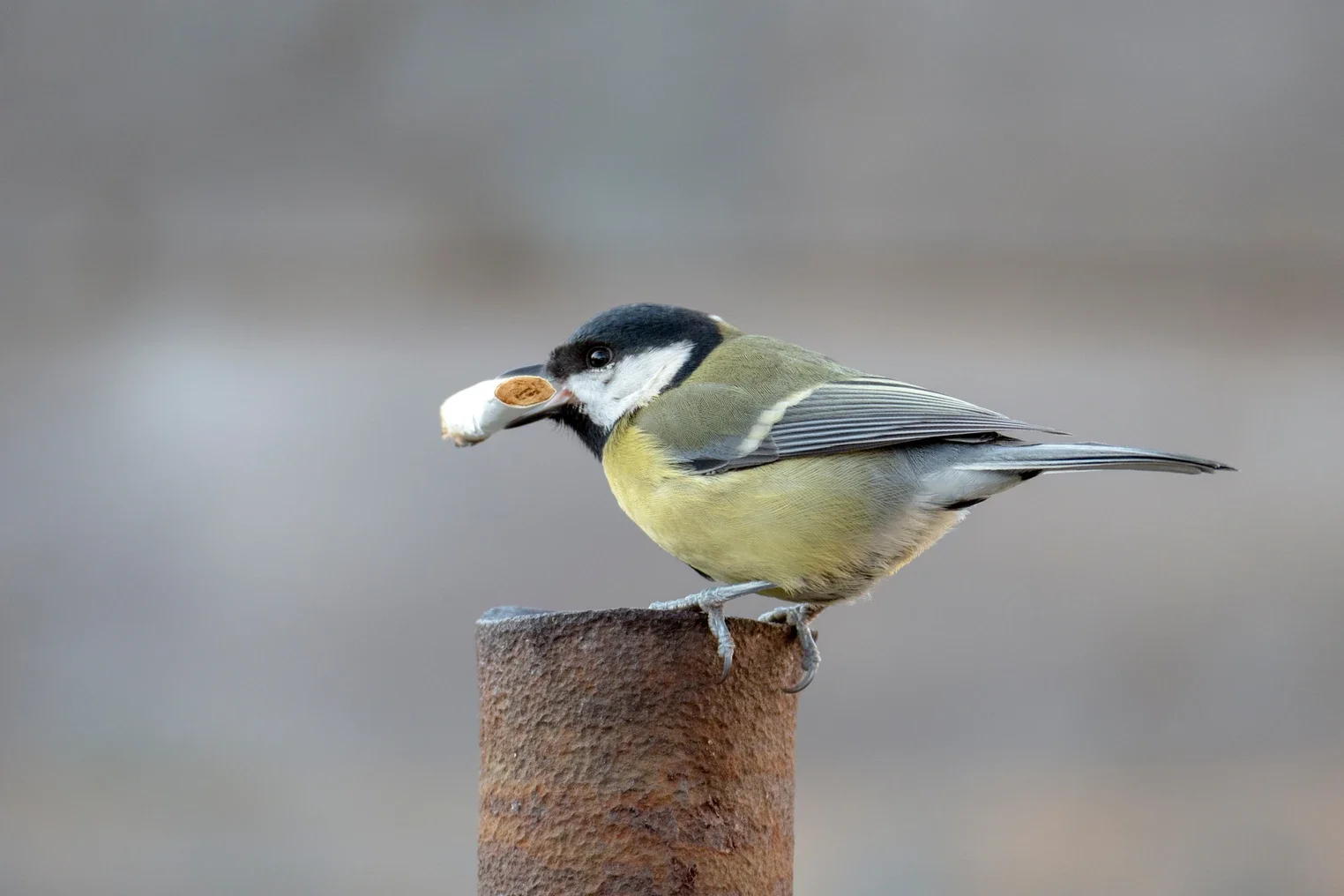
Birds are some of the most intelligent creatures on the planet; of course, species will vary in intelligence; however, the evolutionary adaptations of birds worldwide are quite remarkable. The most interesting case of birds adapting alongside human-inflicted pollution is the phenomenon of birds incorporating cigarette butts into their nests. A 2012 report by the BBC highlighted research conducted by the University of St Andrews regarding the use of cigarette butts as nesting material by house sparrows and finches. The study found that the aforementioned birds would not only use the cigarette butts for nest insulation, but they also practiced their own form of self-medication by prioritizing cigarette butts of cigarettes that have been smoked, containing more nicotine in the filters, which acts as a significant repellant to mites and other pests to protect themselves and their offspring.
In conclusion, environmental doomerism and the attitude of environmental hopelessness will always persist; however, the environment often has ways to offset human pollution just as things seem to become desperate, most clearly shown in species of fungi that can be used to degrade synthetic polymers and birds using pollutants to shield themselves from parasites. This is not to say that humans should freely pollute or not attempt to be sustainable; however, the future may be brighter than some conceive.
- Bevilali Surchi