
The Role of Art in the Fate of Democracy
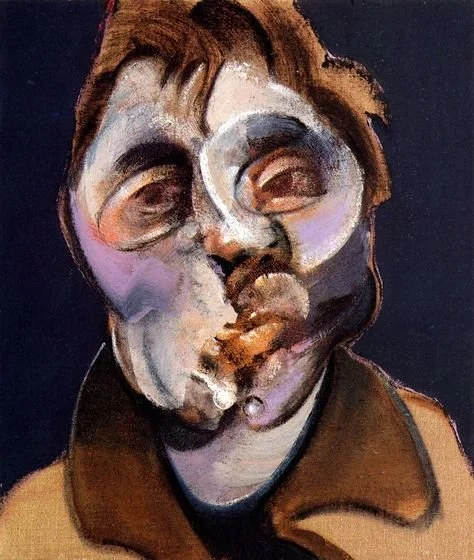
Democracy is a historical process, a self-healing phenomenon the repercussions of which give birth to movements that challenge democracy itself, such as right-wing populism. The values that democracy cherishes and the institutions that are fundamental to it, are protested against by such movements. The irony is that the right-wing populism, which typically champions anti-democratic values such as Neo-nationalism, anti-environmentalism, nativism, and anti-immigration, has found its way to power through democracy itself. The challenge to democratic values was only possible through and because of democratic processes. The rise of right-wing populism does not mean the death of democracy. In other words, a democracy that is post-populism is a stronger democracy. I argue that art can work as a panacea for the predicaments that democracy has fallen into. Furthermore, I believe a real artist is someone whose artwork’s second goal is raising awareness on contemporary issues such as the people’s denial of climate change, an ever-narrowing worldview. Art can fill the gap between the skeptics of democracy and its adherents. This is merely because art establishes venues where people can come together regardless of their political backgrounds. Examples of such venues could be concerts, poetry recitations, and art galleries. Beauty and compassion which are virtues of art are embraced by everyone, at least on an abstract level. Art can dismantle the status quo which is the ‘either/or’ situation that the left and right have created. In other words, art can be a worthwhile bridge and a uniting force to bring people together to cultivate healthy dialogue.
Genuine art triggers senses on both extremes. Art shakes our indifferences and gives birth to a self that is creative, rational and revolutionary while maintaining human empathy. A painting, for example, that works on concepts such as patriarchy or pollution can elicit feelings that entertain the audience through its artistic aspect, simultaneously foregrounding the dangers of a life where those two concepts are dominantly present. Artworks can shake the façade of norms while presenting their aesthetic facets. Art practices freedom; the more freedom residing in a piece of art the more powerful and independent it becomes.
Independent cinema was able to bring all the world’s attention to the Holocaust and class struggles in Europe by writing the best screenplays, crafting outstanding cinematography and direction. The idea of genocide and class difference was secondary to the art and it was still successful at raising awareness of the issues on hand. Art challenges established phenomena and denounce superior narratives. Parasite, Joker and The Platform are excellent film examples of the above-mentioned features of art which are preserving the entertaining aspect of the art form while simultaneously raising awareness on classical and modern phenomena such as sustainable development and class difference. Thus, art for the sake of art is still the main priority; it resolves issues through generating a space where adherents of different truths come together to listen, discuss and contemplate each other’s thoughts.
- Sarwar Efendi