
Kurdistan Flag Day: Celebrating Identity, History, and Freedom
The Significance of the Kurdistan Flag:
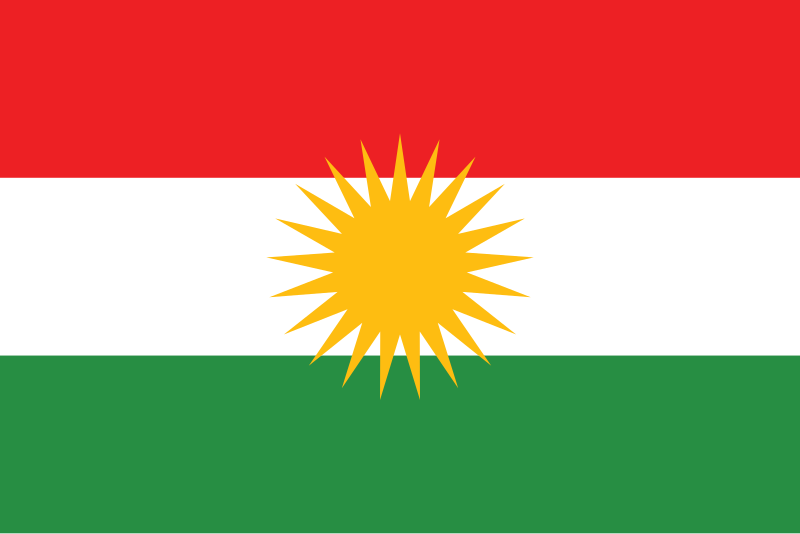
Today is an important day for Kurdistan and Kurdish people, which is the day of Kurdistan Flag. For the Kurdish people, the Kurdistan flag is a strong representation of pride, unity, and identity. The flag, which is celebrated yearly on December 17, symbolizes the Kurdish nation’s rich history, culture, and ongoing struggle. The flag, which represented the Kurds’ aspirations for independence and respect, was first raised over the Republic of Mahabad’s institutions on this day in 1945. The colorful design of the flag provides a message of freedom, resolve, and the continuous struggle for Kurdish rights.
History:
The early 20th century saw the creation of the current Kurdistan flag. In an attempt to unite the Kurdish people under one identity, Kurdish intellectuals, politicians and activists began the process of creating a Kurdish national symbol in Istanbul. The flag that resulted from their discussions became the basis of the current flag when the Kurdistan Social Organization was founded in 1919. It was raised during significant Kurdish uprisings, such as the Ararat Uprising in 1930 and the North Kurdistan Uprising in From the Khoybun movement in Lebanon in 1927 to the Kurdish Students Association in Europe in the 1960s, many Kurdish activists and organizations have supported the flag over the years. After the 1991 uprising in South Kurdistan, then this flag was hoisted by the people and the Kurdistan Parliament officially decided as the Kurdistan flag.
Symbolism:
Every feature of the Kurdistan flag’s richly symbolic design reflects the ideals and aims of the Kurdish people. The flag has a sun in the center and three horizontal stripes: red at the top, white in the middle, and green at the bottom.
Red depicts the blood of the martyrs who battled for Kurdish land and freedom.
White represents the promise for a better future and peace, two ideals that Kurds still aspire to. With its 21 rays, the central sun represents fresh starts and the prospect of a bright future. The Kurdish New Year (Newroz), which starts on March 21, is a celebration of rebirth and renewal, hence the number 21 is also significant.
Green represents Kurdistan’s green landscapes, which stand for the land’s natural beauty, protection, and rebirth.
As a whole the indicated above components of the flag represent the desire of the Kurdish people to stay united with the land, the desire to be rid of war and achieve prosperity.
Cultural and Political Importance:
The Kurdistan flag is not simply a flag of the Kurdistan country; rather, it is the flag of the Kurdish people that put forward their identity and recalled the fight for Freedom and Independence. From the mountains of their home in Kurdistan to the many settlements of the Kurdish people around the globe, their flag connects and empowers the fighters in their mission. It has been waved during protests, used by Kurds in rebellion, and has been shown off at politics and culture events.
- Shako Barznji