
Sulaimani: 240 Years of Cultural Resilience and Kurdish Identity
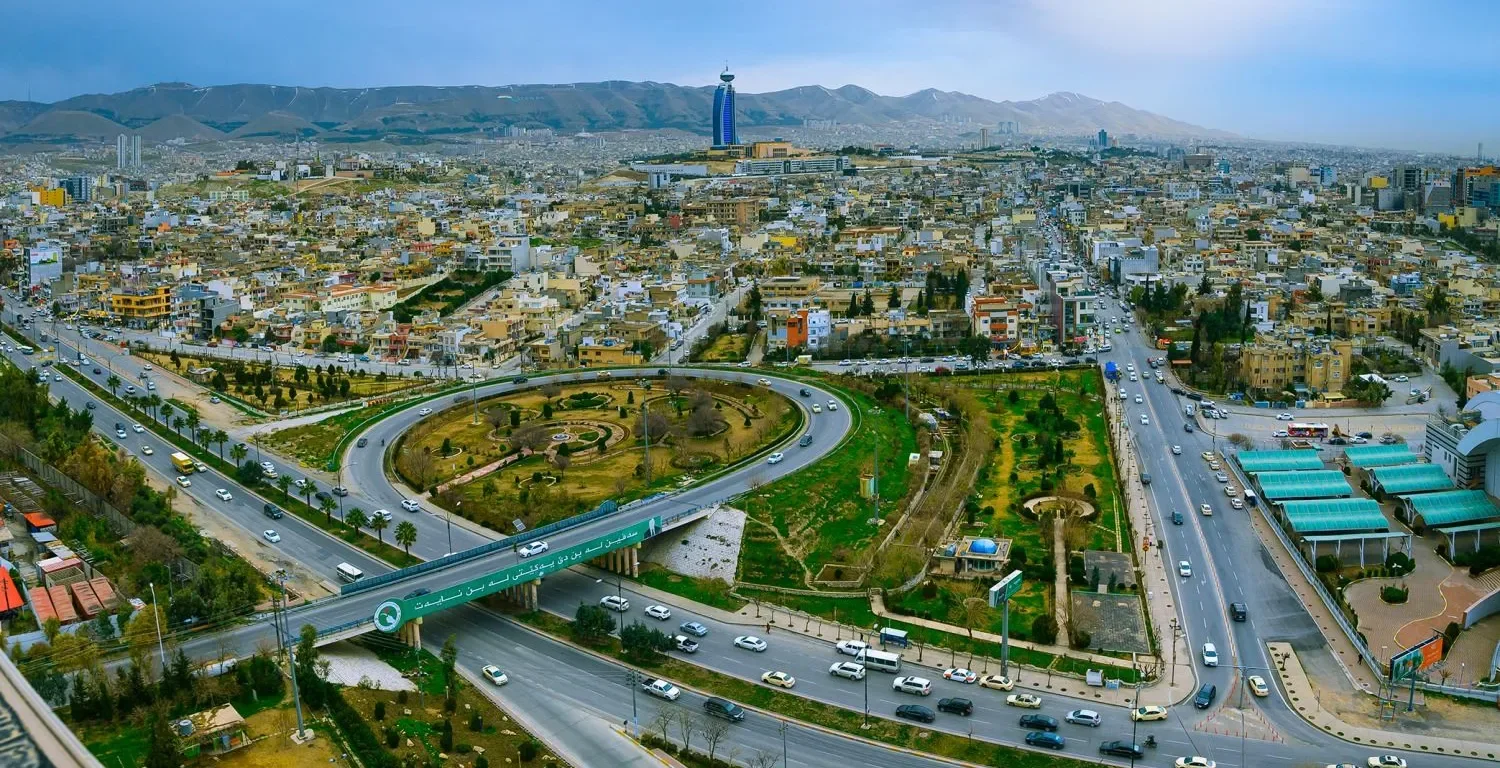
The Founding of Sulaimani:
Sulaimani, known as the cultural city of Kurdistan, was founded on November 14, 1784, by Ibrahim Pasha , the 11th Mir of the Baban Emirate and the leader of the Kurdish Baban family. The city was named by him after his grandfather Sulaiman Pasha, 6th Mir of Baban Emirate who ruled from 1747 to 1761. The wali of Baghdad kicked out Sulaiman Pasha since was seen as a threat for Ottomans. Then, his brother, and the son of Sulaiman’s brother ruled the Emirate until his grandson Ibrahim Pasha, that is why there is a big gap between them ( 6th to 11th). Ibrahim Pasha moved the emirate’s capital from Qala Chwalan to Sulaimani and ruled from 1783 to 1796. The eastern part of the city has a street and neighborhood named after him. After 240 years of the foundation of Sulaimani, it remains one of the most significant cities of Kurdistan.
Early Development and Cultural Growth:
Sulaimani City’s golden period could be identified in the Babani era. The Baban emirate made Sulaimani a center for literature, science, and religion. People from across Kurdistan came to study there, drawn by the rich resources of the Baban library. Sheikh Maaruf Nodei, a religious leader and the first Mufti of the Qadiri method in the area, played a key role in leading this intellectual hub. Ibrahim Pasha also built important landmarks, such as the Great Mosque of Sulaimani (Mizgawty Gawra) and Takya Mosque. For 67 years, Sulaimani was the capital of the Baban emirate.
Sulaimani as a Center for Learning and Art:
From the beginning, Sulaimani grew into a lively city that attracted poets, scholars, and artists. Some notable figures include Maulana Khalid, Mullah Abdullah Betushi, Sheikh Marfi Nodei, and Sayed Ahmadi Naqib. Other respected poets and writers were Sheikh Hussein Qazi, Haji Mullah Ahmadi Delezha, Mohammad Faizi Zahawi, and Jamil Sadiqi Zahawi. The city’s cultural life laid the foundation for modern Kurdish literature.
Influence of Writers and Poets:
After the 1950s, many more influential writers emerged from Sulaimani, including Mullah Salih Hariq, Salih Effendi Ahi, Tayer Beg Jaf, Wali Dewana, and Ali Bardashani. Zewar, Mullah Abdullah, Ahmad Mukhtar Jaf, Mullah Azizi Mufti, Piramird, Bekhud, and Jamal Irfan also contributed to Kurdish literature. Though some writers had conflicts over Sufism, especially Sheikh Marfi Nodei and Maulana Khalid. Their works were important for the literary landscape.
Sulaimani’s Role in Kurdish Nationalism:
Sulaimani became an important place for Kurdish nationalism in the 19th and 20th centuries. Leaders like Sheikh Mahmud Barzanji led revolts against British rule, making the city a symbol of resistance and Kurdish identity. It was the first city of the 20th century that was bombed by British airstrikes in 1923. Sulaimani was the capital of the short-lived Kurdistan Kingdom during Sheikh Mahmud Barzanji’s time from 1921 to 1925 after being collapsed by the British Kingdom.
Modern Challenges and Resilience:
The mid-20th century brought further challenges. Like the rest of Kurdistan, Sulaimani faced conflict in the fight for recognition and rights under various Iraqi governments. The Anfal Campaign of the late 1980s, led by Saddam Hussein’s regime, caused great suffering, with many lives lost and heavy damage to the city.
Rebirth and Cultural Renaissance:
Despite the hardships, Sulaimani showed remarkable strength. After the Kurdistan Regional Government (KRG) was established in the 1990s and Saddam Hussein’s fall in 2003, the city experienced growth and development. Sulaimani became a center for culture, education, and art. Institutions like the American University of Iraq, Sulaimani (AUIS), and the Sulaimani Museum, which preserves the region’s history, were established.
A City of Culture, Resilience, and Hope:
Today, Sulaimani stands as a symbol of the Kurdish struggle, survival, and progress. Its festivals, literature, and active community life continue to attract visitors and celebrate the unique heritage that has endured through many challenges. The first printing house in Kurdistan, Kamaran Press, established in 1958 in Sulaimani, had been the most active and printed 161 books between 1958 to 1975. Sulaimani activities over centuries show that the city has had great cultural and political roles in 240 years.
- Shako Barznji