
The Shared History of Newroz, and the Celebration of the Spring Solstice
As Kurds, we have long identified with the day of Newroz on the spring solstice as a holiday of picnics and rejoicing. Newroz has stood as not only the main spring holiday, or the day of New Year on the Kurdish calendar, but rather as a symbolic gesture of Kurdish identity and resilience, primarily in the 20th century against totalitarian regimes and ancient epics that describe Kurdish oppression. Kurds adorn traditional attire, cook their favorite foods, and populate pastures and mountains throughout the region. Songs are sung as a popular tradition of Newroz celebrations, often being adapted from old poetry onto a rhythm, most commonly the poem “Newroz” by Kurdish poet Piramerd:
“On this day it’s a new year, Newroz has arrived
An old Kurdish holiday with goodness and value."
This poem was most popularly adapted by famous Kurdish singer Hesen Zirek, becoming a staple of the celebration, with the lyrics influencing what most modern Kurds think regarding Newroz. The Kurdish elements of the poem and Newroz are undeniable; however, the stanza previously mentioned is the part of the song that most Kurds know by heart, while the other lyrics are less known or catchy. This caused most Kurds to think that the holiday was more exclusive than not, and the acknowledgment of the diverse and non-exclusive nature of the holiday will only make us appreciate the holiday more.
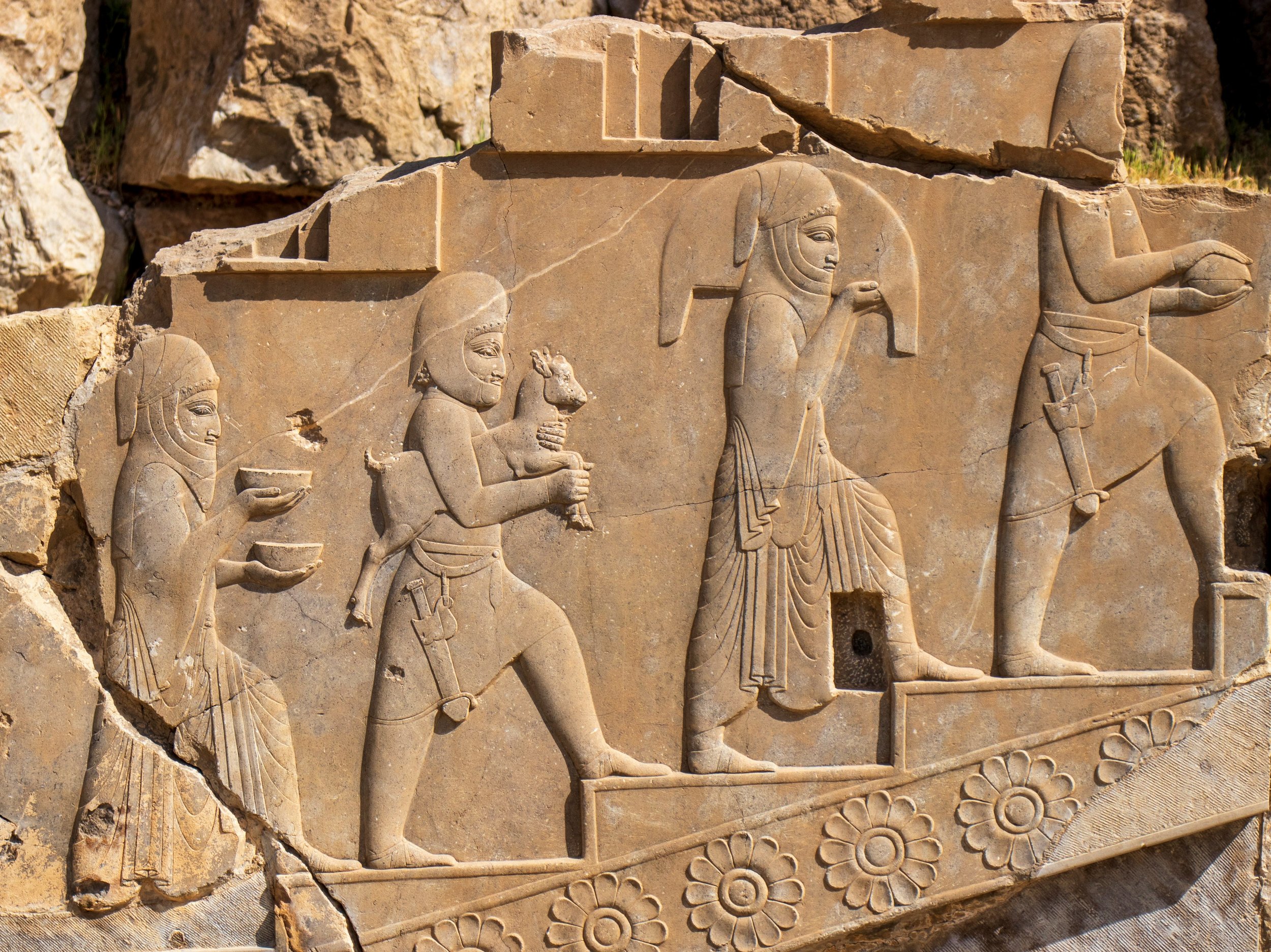
The celebration of Newroz acts not only as an ancient religious celebration for Zoroastrianism and other Iranian religions, originating in the city of Persepolis thousands of years ago, but also as the start of many calendars, most notably the Persian calendar, Kurdish calendar, and Indian Saka National calendar. Newroz also triples as a celebration of the spring season, which ancient civilizations gave utmost importance to, as the element of the vernal equinox was often deep-rooted in local religions; this trend is not only visible in West Asia or the Indian subcontinent but also in Celtic, American Indian, Pictish, Egyptian, Chinese, and many other cultures. The prominence of celebrating the spring and its solstice in a multitude of cultures is often attributed to religious reasons; however, ancient religions had associated the element of the spring season with gods they worshipped through the deification of concepts associated with the season, and not the other way around. The Spring featured elements shared amongst many pagan worships, such as fertility, rebirth, the balance of the equinox, and especially the end of the Winter season and its harshness, which would always carry general and personal trials to those who survived it. This tells us that spring and the celebration associated with it, primarily along the solstice, is an inherently human tradition, valuing the rebirth of plants and the migration of animals, the ripening of fruit, and the greening of pastures. This is especially true considering the roles of humans in the past, ranging from shepherds to farmers that directly rely on the spring to physicians, healers, weavers, and even brewers that cannot operate without their respective herbs and plants, turning the spring into a necessity of life, giving many meanings to rebirth. In conclusion, celebrating the spring is a human tradition, almost foundational to many ancient civilizations, still carrying significance into the 21st century, symbolically and literally representing rebirth, taking humans out of the harshness of winter, and allowing them to rejoice in the green spring; that is why the shared history of the holiday, Newroz, or the “New Day," should be celebrated and recognized rather than fought over or rendered exclusive.
- Bevilali Surchi