
Hardware Without Ownership: HP’s New Laptop Subscription
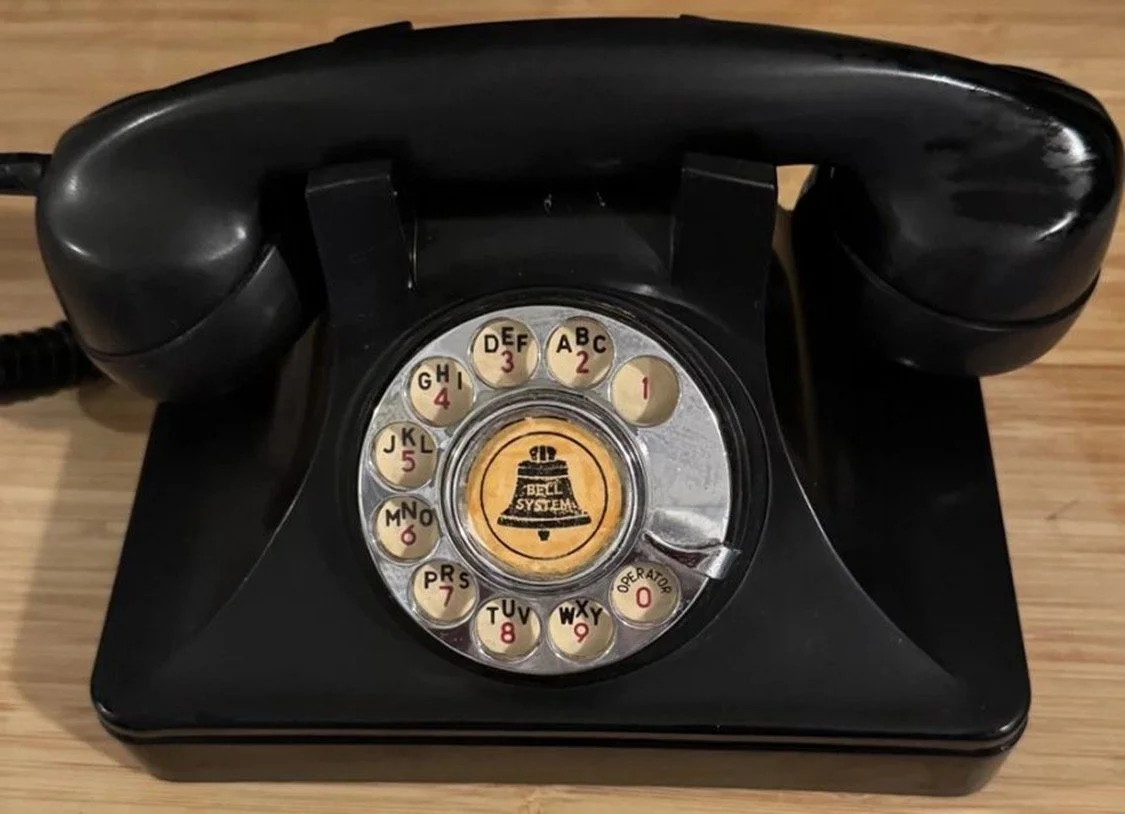
The idea of paying monthly for a physical item is not modern; in fact, it started in the late 1800s when the 'Bell System,' founded by Alexander Graham Bell, Thomas Sanders, and Gardiner G. Hubbard, launched a service where the customer paid monthly for a telephone system to be installed in their homes or offices. In this service, the telephone is leased by the company to the subscriber, and it remains the property of the Bell System.
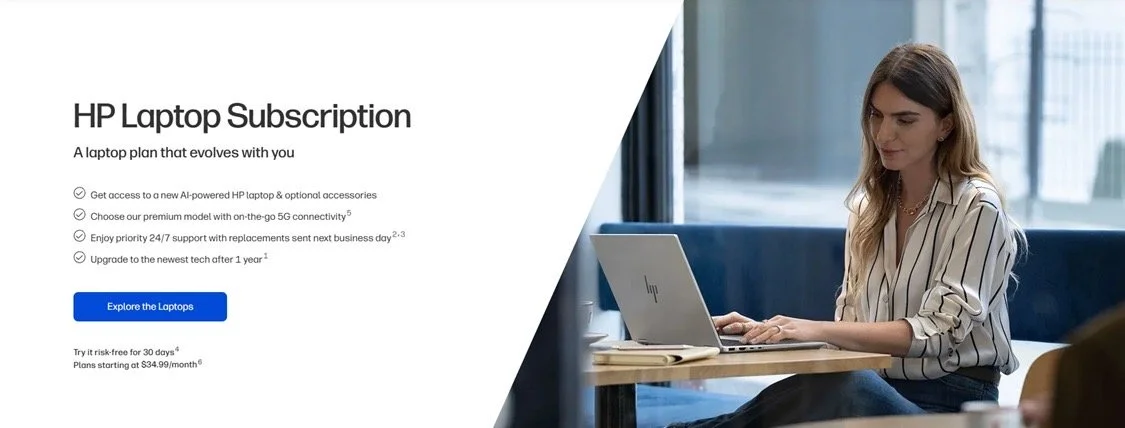
Subscribers did not own the telephone; they were only paying to use it. What began over a century ago is returning to life with HP’s laptop subscription service, where customers pay a monthly fee ranging from $34.99 to $129.99 depending on the model plus extra fees for peripherals, with the option to upgrade the device after a year of usage. All hardware in this service is owned by HP and cannot be sold or modified by customers. Unlike finance plans, there is no option to own the laptop even if the original retail price is exceeded.
One of the points mentioned in the FAQ section of the service is that if the customer returns the laptop after the trial period, a fee of the remaining year is applied as a “cancellation fee"; for example, if a laptop is returned after six months of usage and the customer cancels the subscription, a fee of the next six months is applied as a cancellation fee equal to the remaining year’s payments.
This raises the topic of ownership in the future, as everything around us is turning into a subscription, from movies to even video games. Are we building a future where subscription services become the standard and owning is a luxury only the rich can afford?
If this happens, companies will retain control over everything an average person has, like repairs, modifications, and even access. Payments will be indefinite, and the person will own nothing.
To be fair to HP, the subscription might appeal to some people, especially those who are managing a startup or a small business, as the subscription also includes 24/7 technical support and accidental damage protection. This may benefit companies without IT support or consumers who prefer predictable monthly costs and hassle-free upgrades.
While it might have lower upfront costs, it will cost a lot more than the item itself if purchased in the long run. For example, the “HP Pavilion 16” monthly fee is $34.99, but in two years, below the average lifespan of a laptop, the subscriber would have paid $839.76, which is $70.75 more than the original retail price of the laptop ($769), not to mention that if the subscriber held it for 5 years, they would pay $2,099, which is a 173% increase.
Furthermore, this service has significant implications for the Right to Repair movement. By retaining ownership, companies lock consumers from independent repairs and force them into full dependency on the company itself. While this service might help in recycling by allowing HP to reclaim old laptops instead of them being thrown out as e-waste, it also encourages unnecessary hardware swaps, which could negatively impact e-waste in the future.
As more companies move toward subscription-based access, the question becomes, is it sustainable for consumers in the long run? If ownership slowly disappears, we may one day look back and realize we own nothing; we are renting our lives.
- Haytham Ahmed Subhi